
coaching for creative minds looking to put
ideas into action.
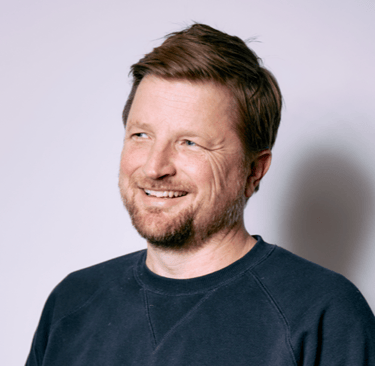
I'm Matt.
I'm a qualified ADHD coach with 20 year's prior experience as a creative strategist in the advertising industry. I'm also a lifelong artist and musician with an academic background in Psychology.
I know first hand what it's like to find yourself stuck on a path that's not meant for you, with ambition and drive you just can't seem to put into action.
My coaching helps people play to their strengths, reconnect with their talents and interests, and use their natural thinking style to create a practical and self-directed path forward, with strategies for the parts that feel like mountains.
I also help teams to understand neurodiversity, the advantages of divergent thinking and how mixed-cognitive collaboration can improve creativity and productivity

ADHD & Creative Cognition Coach
| Psychology BSc | Creative Strategist | Lived ND experience | 20 years corporate-creative industry | Ex-Start-up founder, artist & musician.


I coach people who have interests, talents and ideas they want to turn into action, but just can’t seem to get out of their own way.
People who know they’re capable of more, but feel limited by the path they’re on, or held back by the challenges of creating a more self-directed life.


What if
you’re not
built for the conventional path?
COACHING
Some people naturally explore, create, experiment, discover...
Yet many of us find ourselves in environments built for a different kind of mind - or stuck putting our own ideas, projects and ambitions into action.
Creative, entrepreneurial thinkers..
Can sometimes feel like misfits. Their naturally exploratory cognition can often make it feel difficult to navigate conventional tasks and paths.
Often it's the traits & talents that make you feel like you don’t fit in
that are the core of what makes you distinctive, valuable & irreplaceable.



My coaching helps people who feel stuck, misplaced or underused to play to their strengths, understand what's getting in their way, and develop strategies for self-directed work.


How I work with you
Our sessions are focused on your priorities.
You’re welcome to explore any topic and share only what you feel comfortable with. We’ll shape the work around your goals.
Common topics include:
Self-doubt, lack of direction, focus, masking, procrastination, perfectionism, self-promotion, self-sabotage, collaboration, conflict, executive function, managing ambition, fear of failure..
What you can expect:
Clearer perspective on strengths & values
Greater confidence in what you bring
Clarity about what actually motivates you
Recognition of the patterns keeping you stuck
Strategies for overcoming barriers
Strategies for reshaping your work/direction
Practical steps & Accountability.
A calm, empathic and supportive coach who's been on the same path.
Coaching
Single sessions - £80
6-session programme - £450
60-minute sessions, online.
Some clients prefer to meet weekly, others fortnightly.
Free 20-minute call
Let's talk about where you are and whether coaching feels like the right fit.


Matt helped me strip everything back to the core. Why did I create [my business] in the first place? What had I genuinely enjoyed about it over the last ten years?
...in truth, it was a really cathartic process… we found a renewed sense of focus… I came away feeling reinvigorated, ready to get stuck into revamping our website and creating designs.
Simon - Brand & Business Owner
Testimonials
Recent feedback from clients:
(Workplace Training, co-workshop)
“They have done wonders for our organisation, in helping people understand the differences and nuances in the way different brains work and what different brains need”
Sereena: Director of People Experience & Social Impact | Pretty Green
"Matt put a different perspective on frustrations I’ve been having for a while. [he]..made sense of why I had been talking certain things personally and negatively.
[it's]...helped me a lot with the over-thinking. It’s made a big difference"
Alex. A - Photographer

Identify mismatched communication and misunderstood strengths
Transform neurodiversity from an accommodation topic into an advantage
Establish a culture of psychological safety and reduce stigma
Translate policy & headlines into nuanced, relatable insight
Unlock creativity & divergent thinking in mixed cognitive teams
Build resilience & unique creative value in industries undergoing Ai-era change
Support creative talent to evolve and adapt from specialist to generalist roles
Improve collaboration & understanding across mixed cognitive teams
Reduce friction & burnout
Delivered by Qualified Neurodiversity coaches with Three decades experience navigating creative-corporate environments
Adjustments often fail or go unused when the surrounding culture lacks insight and empathy
Austin & Pisano
Training, Workshops & Talks
Workshops & Training
Our 'Strengths First, Labels Second' approach offers a practical and empowering way to understand how different people think, contribute and collaborate. Practical insight for everyone, without dwelling on diagnoses.



Every workplace relies on people who are naturally drawn towards discovery and exploring possibilities ..alongside people with the ability to navigate process, build structure and help those possibilities become socially and commercially successful.
The greatest innovation happens when those minds work together.


